
Ketamine for PTSD: Breaking Free from Trauma and Reclaiming Daily Life
Living with post-traumatic stress often feels like carrying the past into every moment of the present. The body stays alert. The mind stays busy. Sleep feels light and unsteady. Relationships require energy that already feels spent. Many adults in the Raleigh and Triangle area live this way while continuing to show up for work, family, and responsibilities. This experience can feel exhausting and deeply personal. Ketamine for PTSD is gaining attention because it supports the brain in calming long-standing stress patterns and creating space for meaningful change.
At Fresh Start Ketamine, care begins with understanding how trauma affects the nervous system and how healing can feel grounded and attainable. This approach offers clinical insight while honoring the lived experience of trauma survivors, veterans, and first responders.
Before Treatment: Why the Nervous System Feels Stuck
PTSD develops when the brain remains focused on protection long after a threat has passed. The amygdala stays alert and ready. The areas responsible for reasoning and emotional balance work with less flexibility. This pattern supports survival during danger and continues operating during daily life.
Therapy and medications provide meaningful relief for many people. Some nervous systems need additional support to shift out of long-standing survival mode. This experience reflects the brain doing its job with dedication and consistency. Ketamine for PTSD supports the brain in updating these protective patterns with gentler responses that fit the present.
Many people describe a familiar cycle. Memories surface unexpectedly. Avoidance follows. Social connection feels distant. Over time energy narrows, and daily life feels limited. These responses reflect learned pathways that can be guided toward new patterns with the right support.
During Treatment: How Ketamine for PTSD Supports Change
Ketamine has a long history in medical care. In mental health settings it supports neuroplasticity, which refers to the brain’s ability to form new connections. This process allows the nervous system to practice flexibility and adaptation.
Through its action on the glutamate system, ketamine encourages the release of brain-derived neurotrophic factor. This protein supports communication between brain cells. With repeated sessions these connections strengthen and support emotional regulation and resilience. Ketamine for PTSD focuses on helping the brain access these natural healing processes.
Many people notice a gentle shift in perspective during treatment. Sensory awareness may change, and the body often experiences deep relaxation. Trauma memories may feel less intense, which allows space for reflection and emotional balance. These experiences occur in a medically supervised environment focused on comfort and safety.
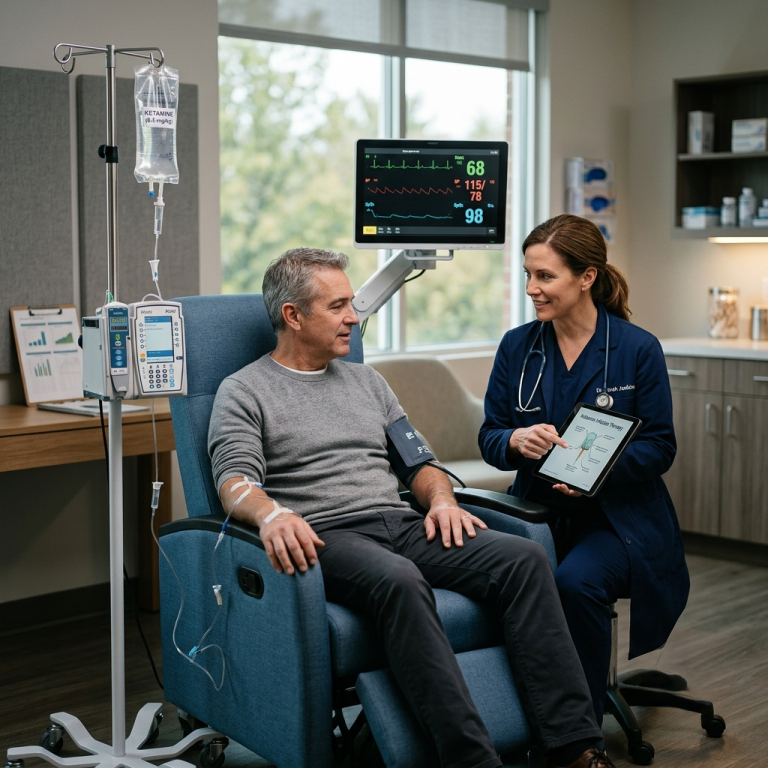
Fresh Start Ketamine provides IV infusion therapy with personalized dosing. Each session builds upon the previous one and supports steady progress. Clinical research shows that a series of sessions allows cumulative benefits to develop over time. Ketamine for PTSD functions as a medical treatment that works alongside therapy and lifestyle support.
After Treatment: Daily Life with Greater Ease
Many individuals report changes that feel subtle and meaningful. Sleep feels more restorative. The body responds with less urgency to everyday sounds. Emotional responses feel steadier. These shifts allow space for presence and connection. Ketamine for PTSD supports this transition by helping the nervous system experience calm with consistency.
Healing unfolds gradually. Ketamine opens windows of opportunity that allow therapeutic skills to feel more accessible. Counseling and integration practices often feel clearer during this time. The mind engages with reflection while the body remains grounded.
Relationships benefit from this sense of steadiness. Conversations feel more engaging. Time with loved ones feels available. Work tasks feel manageable. These experiences reflect progress that continues to develop with ongoing care and support.
Integration and Ongoing Support
Ketamine therapy works best when combined with supportive practices. Therapy sessions help process insights. Mindfulness and movement support nervous system balance. Sleep routines and nutrition contribute to overall well-being. Ketamine for PTSD creates conditions that support these practices working together.
Fresh Start Ketamine encourages an integrated approach that honors individual goals and preferences. Each treatment plan reflects medical history and current needs. This thoughtful structure supports sustainable progress and emotional resilience.
Is Ketamine for PTSD a Good Fit
This treatment suits adults who have explored traditional therapies and seek additional support. It aligns with individuals interested in medically supervised care that focuses on nervous system health. Ketamine for PTSD appeals to those who value a collaborative approach to healing.
Fresh Start Ketamine offers comprehensive consultations that review medical history and treatment goals. This process ensures that care aligns with safety and readiness. Commitment to a treatment series and openness to integration support long term progress.
Local care provides continuity and accessibility. Serving Raleigh and the surrounding Triangle area allows Fresh Start Ketamine to remain connected to the community it supports.
A Supportive Step Forward
Seeking care reflects strength and dedication to wellbeing. PTSD can hold the nervous system in patterns formed during challenging moments. With the right support these patterns can soften and update. Ketamine for PTSD offers a pathway that supports this process with compassion and clinical insight.
Fresh Start Ketamine remains committed to evidence based care delivered with respect and clarity. For adults in Raleigh and the Triangle area this approach offers a grounded step toward renewed balance and engagement with daily life.