From Surviving to Thriving: The Science Behind Ketamine for Complex PTSD Treatment Success
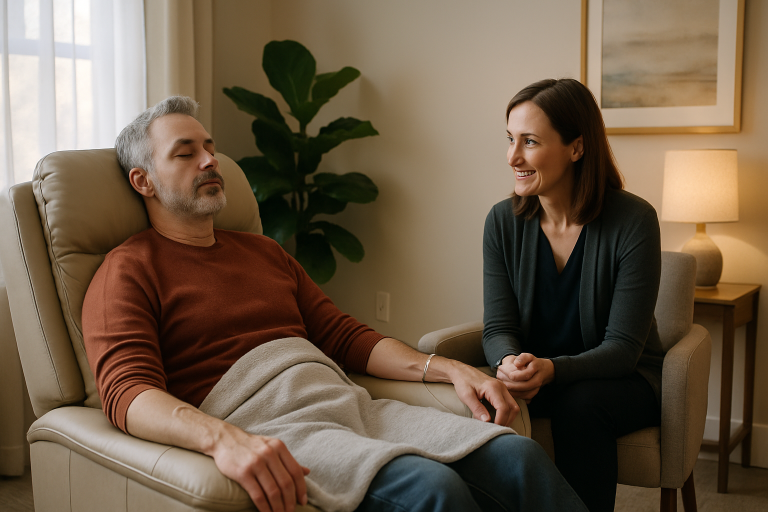
When Sarah first walked into Fresh Start Ketamine, her eyes told a story her voice couldn’t. Years of emotional abuse, repeated trauma, and failed therapies had pushed her into a state of quiet survival. She wasn’t living—just existing. Words like “hope” or “healing” felt distant. But six weeks later, her voice cracked with a mix of joy and disbelief: “I feel like myself again.”
What changed?
This isn’t just anecdotal. Sarah’s transformation, like many others, stems from a growing scientific understanding of ketamine for complex PTSD—a treatment reshaping how we view healing from deep, long-standing trauma.
Understanding Complex PTSD – A Different Kind of Trauma
Complex PTSD isn’t just traditional PTSD with a longer timeline. It has a neurological signature of its own. Whereas PTSD might be linked to a single traumatic event, complex PTSD is the result of prolonged, repetitive trauma—often interpersonal and early in life.
Brain imaging studies show stark differences: the amygdala (fear center) becomes overactive, the prefrontal cortex (logic and regulation) underperforms, and the hippocampus (memory center) shrinks. The result? A “survival brain”—locked in a constant state of alert, disconnected from joy, creativity, and connection.
Traditional treatments often fail because they don’t address this rewiring. SSRIs? Often ineffective. Talk therapy? Sometimes retraumatizing. What’s needed is not just emotional processing—but a biological reset.
The Ketamine Revolution – Rewiring from the Inside Out
Enter ketamine. Long used as an anesthetic, ketamine’s new identity as a rapid-acting antidepressant is transforming trauma care. At Fresh Start Ketamine, it’s much more than a trend—it’s neuroscience in motion.
Mechanistically, ketamine blocks NMDA receptors, temporarily halting the glutamate cascade that fuels the survival brain. In doing so, it opens a critical period of neuroplasticity—a short window when the brain becomes more flexible, adaptive, and open to healing.
Think of it like pruning trauma pathways and growing new hope highways. This isn’t just metaphor. Neuroimaging shows new synaptic connections forming—especially in regions responsible for mood regulation, self-awareness, and memory integration.
The Science of Success – What the Research Says
One of the most exciting breakthroughs in ketamine for complex PTSD lies in the 72-hour window post-infusion. During this time, biological markers of healing spike. BDNF (Brain-Derived Neurotrophic Factor) levels increase, supporting new growth. Cortisol patterns normalize. And patients often report vivid emotional clarity.
Recent trials show response rates upwards of 70%, particularly in patients with treatment-resistant complex PTSD. Compared to traditional therapies, these outcomes are not just better—they’re faster, safer, and more enduring when combined with integration therapy.
The Fresh Start Difference – Precision Treatment, Personal Care
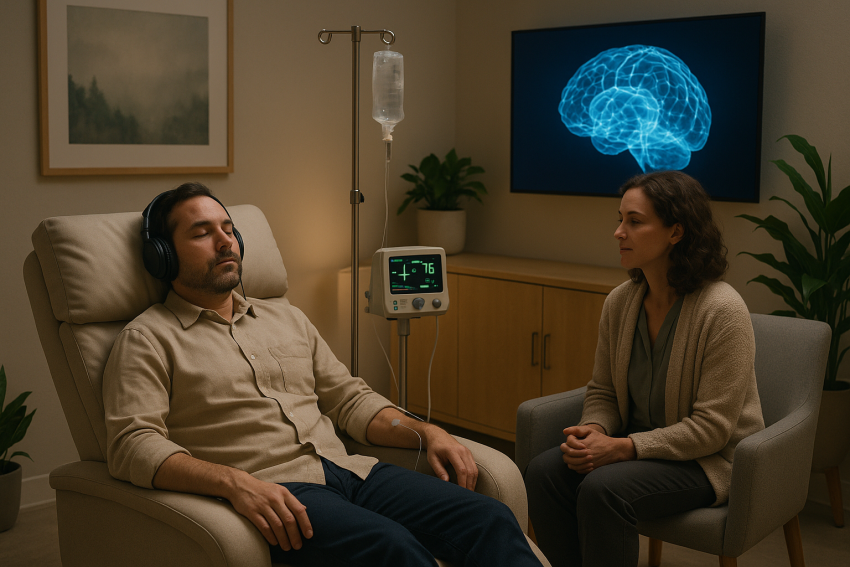
What makes Fresh Start Ketamine stand apart is its commitment to precision ketamine therapy. This isn’t one-size-fits-all. Every patient receives:
- A comprehensive psychological and medical assessment
- Tailored dosing protocols based on neurophysiology and trauma profile
- Integration sessions with trauma-informed clinicians to help anchor insights and shifts
- Real-time monitoring for safety and efficacy
- Ongoing support—from peer community to aftercare planning
It’s not just about the medicine. It’s about the milieu of healing that surrounds it.
What to Expect – Your Journey from Surviving to Thriving
At Fresh Start Ketamine, the healing process unfolds in three phases:
Phase 1: Neurological Preparation (Sessions 1–3)
You may feel subtle shifts—less anxiety, more groundedness, emotional safety. Your brain is beginning to soften the survival wiring.
Phase 2: Breakthrough and Processing (Sessions 4–8)
Memories become less charged. Insights emerge. Emotions are processed more fluidly. Here’s where many patients describe the “first deep breath in years.”
Phase 3: Integration and Thriving (Post-Treatment)
Now, new behaviors take root. Better sleep, creativity, emotional resilience, reengagement in life. Many go back to work, repair relationships, or start artistic projects long abandoned.
Everyone’s pace is unique, but the arc—from surviving to thriving—is clear.
Real Success Stories – Beyond Symptom Relief
What defines success in ketamine for complex PTSD isn’t just fewer flashbacks. It’s restored humanity. Patients are finding:
- Career breakthroughs, once impossible under the weight of trauma
- Authentic relationships, where trust and intimacy return
- Artistic expression, from painting to songwriting, often for the first time in decades
- Physical healing, like improved gut health, energy levels, and chronic pain relief
- Community reengagement, including volunteering, advocacy, or mentorship
Sarah’s story isn’t rare. It’s part of a larger wave—a revolution in trauma recovery, powered by science and compassion.
Your Path to Thriving Starts Here
If you or someone you love is stuck in survival mode, know that hope isn’t hypothetical—it’s biological. The path forward may not lie in more of the same, but in something new. At Fresh Start Ketamine, we specialize in helping people with complex trauma rewrite their story.
Take the first step toward thriving. Schedule a consultation with our care team today. We accept most insurance plans and offer financing options to make this accessible to those who need it most.
Your brain can change. Your life can, too. Start Your Healing Journey Today. Schedule a ketamine PTSD evaluation.