Can Ketamine Make PTSD Worse? What Patients Should Know About Screening, Risks, and Monitoring
Many patients ask the same question before treatment: can ketamine make ptsd worse? Ketamine can make PTSD symptoms feel stronger for a short time, most often during a session or in the hours after it. Careful ketamine PTSD screening before treatment and close monitoring during it shape how those reactions are handled.
Reported reactions include anxiety, dissociation, and difficult memories or emotions coming to the surface. This article covers common ketamine PTSD side effects, screening, monitoring, and the right time to call your treating clinician. It offers general information for learning, and a personal evaluation with a clinician remains essential.
Ketamine holds FDA approval as an anesthetic. Its use for PTSD is off-label, which means a clinician prescribes it for a purpose outside the approved one. This choice rests on clinical judgment and your informed consent.
Can Ketamine Make PTSD Symptoms Feel Worse?
Yes, for a short time it can. Ketamine changes perception, the sense of time, and body awareness. For a nervous system already on high alert, that brief loss of control can feel threatening.
Some people notice memories, images, or emotions linked to their trauma surfacing during a session. Others feel tired, tearful, or emotionally raw for the rest of the day. A sustained decline is a separate concern, such as sleep, mood, or daily function slipping over several days.
That distinction matters for anyone asking can ketamine make ptsd worse while weighing ketamine for PTSD. A hard hour during a supervised session is something a care team can prepare you for and guide you through. A change that lasts calls for a prompt message to your clinician, as covered below.
What Temporary Reactions Can Happen During or After Treatment?
Most reactions begin during the session or within a few hours after it. Psychological reactions can include dissociation, anxiety as the medication takes effect, strong emotion, memories tied to past events, and brief confusion. Physical reactions can include a temporary rise in blood pressure and heart rate, nausea, dizziness, blurred vision, and fatigue.
Dissociation can feel like floating, watching yourself from a distance, or losing track of time. Ketamine dissociation PTSD reactions can feel alarming for trauma survivors, since they may resemble dissociation from past trauma. Knowing this ahead of time can make the experience feel familiar and expected.
Trauma-informed ketamine care prepares you for these possibilities and explains each step as it happens. It also means someone is present to respond if distress rises. Patients asking can ketamine make ptsd worse benefit from hearing about these reactions before the first session.
Why Pre-Treatment Screening Matters
Screening helps a clinician decide whether ketamine fits your needs and which extra precautions make sense. It is also a good time to share concerns about how your PTSD might respond. A careful evaluation is the right place to explore can ketamine make ptsd worse in your own situation.
Ketamine PTSD screening commonly reviews psychiatric history, including any personal or family history of psychosis or bipolar disorder. It also covers current suicidal thoughts, how much dissociation you already experience, and any past substance use, including ketamine. Medical history also matters, including blood pressure, heart conditions, pregnancy, liver health, and bladder or urinary symptoms.
Current medications get a careful review, since benzodiazepines and certain stimulants can change how ketamine works or how safe it is. Your treatment history and goals show what you have tried for PTSD and what you hope will change. Many clinicians also record baseline symptom scores, so they can measure later changes with clear data.
How Clinicians Monitor Safety During Ketamine Treatment
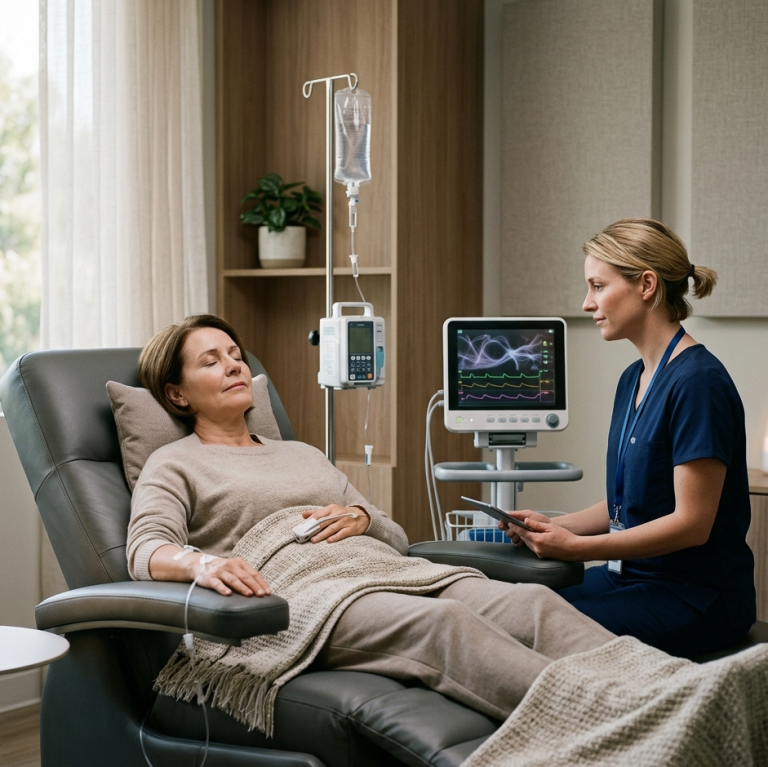
Monitoring ketamine therapy happens before, during, and after each session. Before a session, the team checks vital signs and asks about your mood, sleep, and safety since the last visit. During the session, blood pressure, heart rate, and oxygen levels are watched, and a staff member stays available if you feel uncomfortable.
After the session, you rest until the acute effects pass, and someone else drives you home. Between sessions, check-ins track sleep, mood, anxiety, and any lingering effects against your baseline. The plan then follows your response, adjusting dose or spacing, or pausing if symptoms move in the wrong direction.
This steady tracking gives patients who wonder can ketamine make ptsd worse a clear record of their own progress. Each visit adds information your clinician can use to adjust care. Open communication with the team keeps the plan personal.
When Should a Patient Contact the Treating Clinician?
Contact your treating clinician if anxiety, panic, or dissociation lasts past the day of treatment. Reach out as well if flashbacks, nightmares, or intrusive memories grow stronger or more frequent over several days. Call promptly if sleep, appetite, or daily function declines, or if you feel confused, detached, or unusually agitated.
Physical symptoms such as chest pain, a severe headache, or pain or blood when urinating also need prompt attention. Any uncertainty is a good reason to call. Patients who start to wonder can ketamine make ptsd worse in their own case should share changes early, so the care team has time to adjust the plan.
If thoughts of suicide or self-harm appear, get help right away. Call or text 988 to reach the Suicide & Crisis Lifeline, call 911, or go to the nearest emergency room. Let your treating clinician know once you are safe.
How Ketamine May Fit into a Broader PTSD Treatment Plan
Ketamine is generally offered as one part of PTSD care, alongside other treatment. Trauma-focused psychotherapies, such as prolonged exposure, cognitive processing therapy, and EMDR, remain established treatments for PTSD. A broader plan may also include coordination with your current therapist or prescriber.
The plan may also include support for sleep, substance use, and personal relationships. Material that surfaces during a session often feels easier to work through with a trusted therapist. People asking can ketamine make ptsd worse can talk with their care team about how sessions fit with ongoing therapy.
Researchers are also studying how ketamine may interact with memory reconsolidation, the process by which a recalled memory may be updated before it is stored again. Scientists continue to investigate this idea, and it remains an open research question. Your clinician can explain what the current evidence shows.
Questions to Ask Before Starting Ketamine Treatment for PTSD
Good questions help you judge any clinic, including ours. Ask what the screening includes, who reviews it, and who stays with you during a session. Ask about their credentials and how the team responds if you feel anxious or dissociate.
Ask how the team measures progress and what to do if you feel worse between sessions. Ask how to reach someone quickly, if the clinic coordinates with your therapist or psychiatrist, and what would lead the team to pause treatment. Most of all, ask whether ketamine suits your history or another approach fits your needs.
Bringing the question can ketamine make ptsd worse to your consultation opens an honest conversation. A trustworthy provider welcomes these questions and answers them plainly, including when another path suits you. If you are in the Raleigh area, you can book a consultation or call (919) 999-6793.
Frequently Asked Questions
Can ketamine make PTSD worse?
Ketamine can make PTSD symptoms feel stronger for a short time, usually during a session or in the hours after it. Anxiety, dissociation, and difficult memories are among the reported reactions. Patients who ask can ketamine make ptsd worse can work with a clinician on screening and monitoring to understand their own risk.
What are the most common ketamine PTSD side effects?
Commonly reported effects include dissociation, anxiety, a temporary rise in blood pressure and heart rate, nausea, dizziness, and fatigue. They usually appear during or shortly after a session. Report any effect that continues into the following days to your treating clinician.
Is ketamine dissociation dangerous for people with PTSD?
Ketamine dissociation is a known, temporary effect that happens while the medication is active, and in a clinic it happens under supervision. It can feel intense for trauma survivors because it may resemble trauma-related dissociation. People who already dissociate often should discuss this in detail during screening.
How long do ketamine side effects last after a session?
The acute effects of ketamine generally fade within hours of a session ending. Tiredness or emotional sensitivity can last for the rest of the day. Patients arrange a ride home and follow their clinician’s guidance on when to drive again.
Who needs extra care before ketamine treatment?
A history of psychosis, certain heart conditions, uncontrolled high blood pressure, active substance misuse, or pregnancy may rule out ketamine or call for extra precautions. A full medical and psychiatric evaluation comes first for every patient. A qualified clinician who knows your history makes the final decision.
Is ketamine FDA approved for PTSD?
Ketamine holds FDA approval as an anesthetic, and its use for PTSD is off-label. Off-label use means a clinician prescribes it for a purpose outside the approved one. A clinic offering it should explain this clearly as part of informed consent.
What should patients do if they feel worse after ketamine treatment?
Contact your treating clinician if distress, flashbacks, poor sleep, or anxiety lasts past the day of treatment or builds over several days. If thoughts of suicide or self-harm appear, call or text 988, call 911, or go to the nearest emergency room. Patients who wonder can ketamine make ptsd worse after a session should report changes early so the care team can adjust or pause treatment.
Where can patients in Raleigh ask about ketamine safety for PTSD?
Fresh Start Ketamine in Raleigh, NC answers questions about screening, monitoring, and risks during a consultation. Patients comparing options for PTSD treatment can share their history and concerns before deciding on a plan. Call (919) 999-6793 to schedule a visit.